



The page you requested cannot be found!
The page you requested cannot be found.
Categories



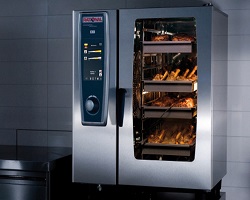
Featured Products
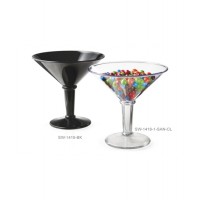
Super Martini 48oz
Capacity/Dimensions: 48oz (1.4L), 9.252 (23.5cm)Diameter, 9" (22.9cm) TallDelivery Time: 2..
Product code: SW-1419-CL
Pack size: 3
£0.00 exc.VAT
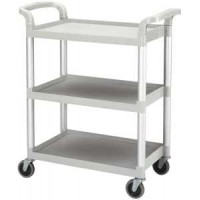
KD Service Cart
Capacity/Dimensions: LxDXH 83.5 x 41.3 x 96.5 cmVersatile, durable and economically-priced serv..
Product code: BC331KD
Pack size: 1
£0.00 exc.VAT
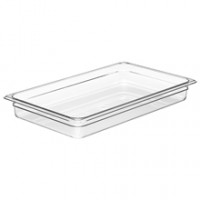
Gastronorm 1/1 25.6L
Capacity/Dimensions: 25.6L, 32.5 x 53cm, Depth 20cm..
Product code: 18CW
Pack size: 1
£0.00 exc.VAT
Johnsons Catering Equipment have established a reputation for excellence, working closely with our customers, offering expert advice and solutions to enhance your catering services
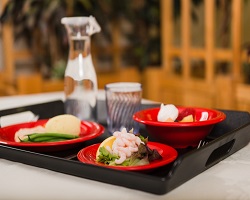
Healthcare – our products bring Dignity to the table by encouraging independent eating
We have developed a range of melamine and plastic dinnerware, including plates, bowls, mugs and tumblers which help to enhance nutrition and hydration for elderly people and those with limited mobility. Our brightly coloured melamine plates can increase food intake by up to 35% when used by people with dementia, and high sided plates take away the need for plate guards. Textured tumblers aid independent drinking for those with weakened grip, enabling people to help themselves to a drink. Large handled double and single handled mugs with optional feeder lids are ideal for people with limited mobility.
Education – quality light equipment tailored to suit your needs
As specialist suppliers to the education sector we supply schools, colleges and universities with high quality equipment at competitive pricing for dining areas to back of house. School products include melamine and polycarbonate dinnerware, salad bars, cutlery, food trays, utensils, saucepans, service trolleys and much more. Our Eco Takeout boxes are a sustainable alternative to disposable food to go boxes, can be reused hundreds of times, saving universities and colleges thousands of pounds a year.
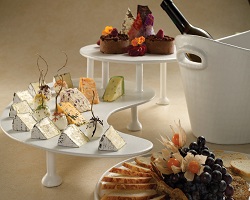
Hotels, Restaurants – Buffet Display products to make your mouth water
Bugambilia is the most hard waring, must have buffet display range on the market, offering salad bowls, platters, fruit bowls, risers and condiments. Made from solid cast aluminium with a protective resin coating, great for holding Temperature, available in 28 vibrant colours.
Testimonial : John Dooley, Centerplate at Yankee Stadium
"I am very pleased to tell you that after 3 years of hard use (and sometimes abuse) at the busiest stadium in the world, our Bugambilia® ware looks like we took it out of the box last week!"
Madera is a hand crafted range of buffet display products made from sustainable, reclaimed wood, including bread and pastry drawers, ice housings, modern chafing dishes risers, display trays and flatware / condiment organisers.
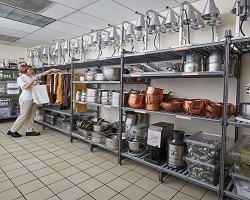
Johnsons Catering Equipment work closely with our customers offering expert advice and solutions to enhance the eating experience.
Specialist Catering Equipment for Hotels, Restaurants, Caterers, Hospitals, Care Homes, Schools, Colleges and Universities
Over the past 14 years, we have established a reputation for industry excellence amongst healthcare and education establishments.

ISO ACCREDITED
Biggest Brands in the Foodservice Industry
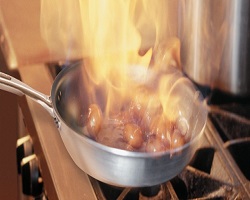
We offer the high quality commercial catering equipment at competitive prices, from some of biggest brands in the industry, including Cambro, Vollrath, Bugambilia, Dudson, Steelite, Harfield, Strahl, Elia, Thunder, G.E.T, Falcon & Rational.












-130x100.jpg)